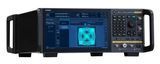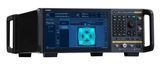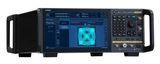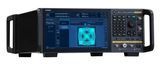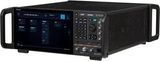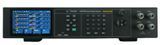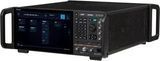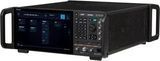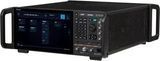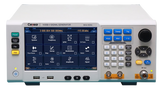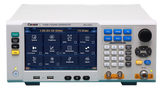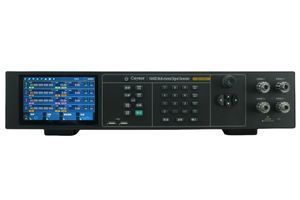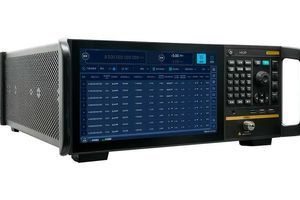


The Ceyear 1466‑V Series represents a new generation of high‑performance vector signal generators designed for demanding RF, microwave and mmWave test environments. With wide frequency coverage up to 67 GHz, exceptional spectral purity, advanced modulation capabilities and multi‑scenario signal simulation, the 1466‑V Series is engineered for research, development, validation and production testing across modern wireless, radar, satellite and navigation systems.
SEA Ceyear Europe — the dedicated European sales and support platform operated by SEA Components GmbH (Germany) — provides full technical consultation, configuration support and project‑based integration for customers across the EU.
Key RF Performance Highlights
- Frequency range: 6 kHz to 13 GHz / 20 GHz / 33 GHz / 45 GHz / 53 GHz / 67 GHz
- Spectral purity:
- SSB phase noise: < –132 dBc/Hz (typ., 10 GHz carrier, 10 kHz offset)
- Wideband noise: < –161 dBc/Hz (typ., 20 GHz carrier, 30 MHz offset)
- Spurious: < –80 dBc (10 GHz carrier)
- Output power range: –150 dBm to +25 dBm
- RF modulation bandwidth: up to 2 GHz (500 MHz / 1 GHz / 2 GHz options)
- Vector modulation accuracy: EVM < 0.8% (5G NR FR2, 28 GHz)
These characteristics make the 1466‑V Series suitable for high‑precision component characterization, system‑level verification and advanced wireless communication testing.

Excellent RF Performance

High Spectral Purity for Demanding Applications
The 1466‑V Series delivers exceptionally clean output signals, minimizing measurement uncertainty in high‑frequency systems:
- –145 dBc/Hz @10 kHz offset (1 GHz carrier)
- –132 dBc/Hz @10 kHz offset (10 GHz carrier)
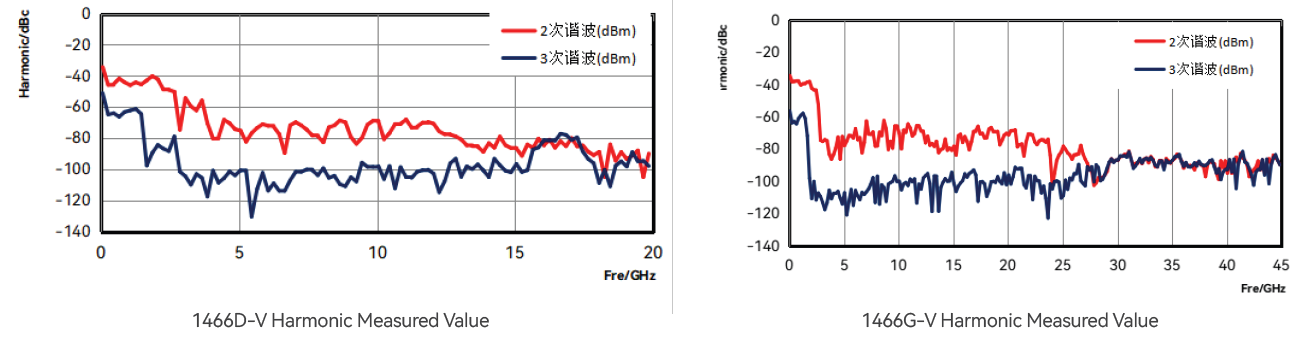
- Harmonics < –55 dBc
- Spurious < –80 dBc
This level of purity ensures reliable testing of LNAs, mixers, converters, filters, phased‑array modules and other sensitive RF components.
Option H04-2: SSB Phase noise measured value
Wide Dynamic Range and High Output Accuracy
-
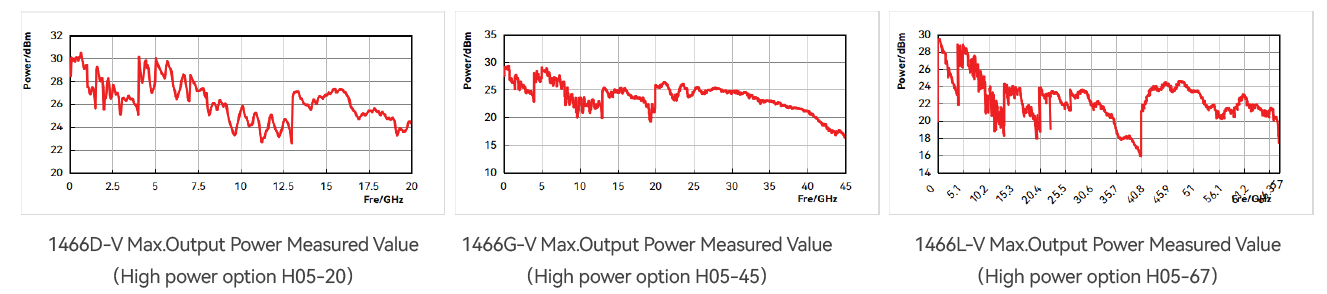
Maximum output power (typ.):
-
+27 dBm @5 GHz
-
+24 dBm @20 GHz
-
+25 dBm @30 GHz
-
+22 dBm @60 GHz
-
-
Minimum settable level: –150 dBm
-
Dynamic range: up to 170 dB
-
Power accuracy: < 0.5 dB below 20 GHz (typ.)
This combination supports both high‑power excitation and ultra‑low‑level sensitivity measurements.
2 GHz Modulation Bandwidth for 5G/6G and Ultra‑Wideband Systems
The 1466‑V Series supports modulation bandwidths of 500 MHz, 1 GHz and 2 GHz, with up to 5 GHz when using external I/Q sources. This enables:
-
5G NR FR1/FR2 testing
-
Early‑stage 6G waveform research
-
Ultra‑wideband radar and sensing applications
-
Multi‑tone and wideband noise excitation
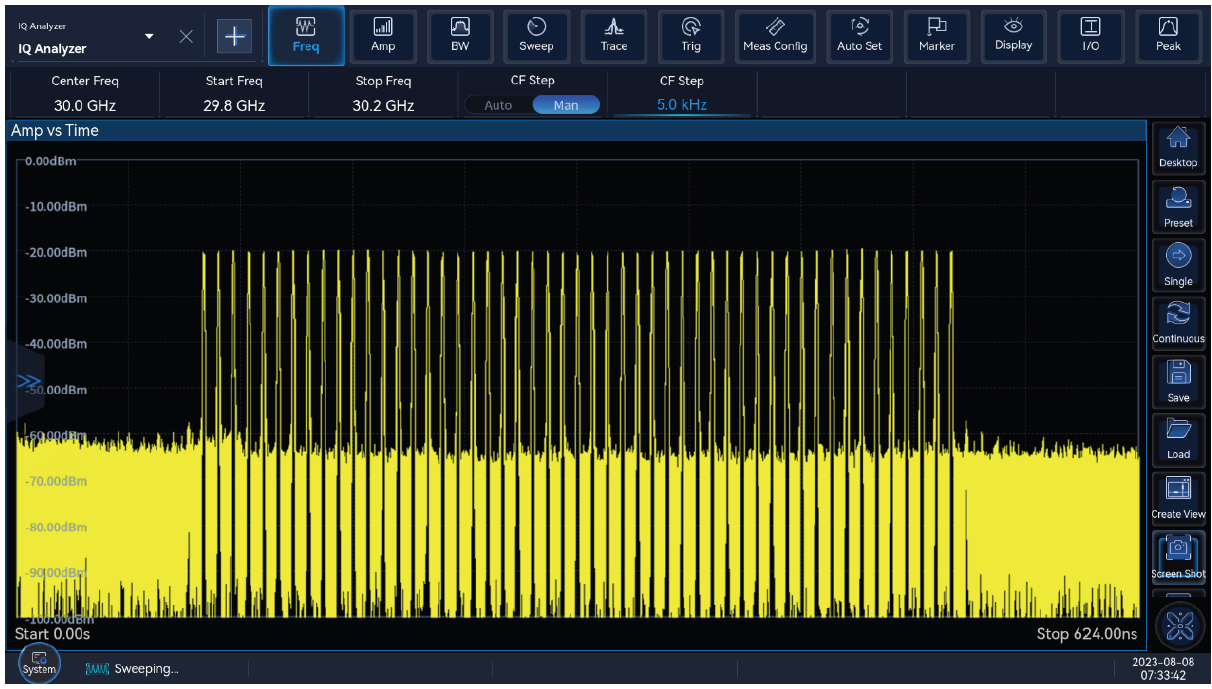 30GHz Carrier 2GHz Modulation Bandwidth Multi-Tone Signal Spectrum
Excellent Vector Modulation Accuracy
-
EVM: 0.4% (QPSK, 2 GHz carrier)
-
5G NR ACPR:
-
< –55 dBc @2 GHz carrier
-
< –45 dBc @42.5 GHz carrier
-
These specifications support both R&D‑grade performance evaluation and high‑throughput production testing.
Multi‑Channel and MIMO‑Ready Architecture
The 1466‑V Series supports cascaded synchronization for multi‑source phase‑coherent excitation, enabling:
-
MIMO testing
-
Beamforming validation
-
Phased‑array calibration
-
Multi‑carrier and multi‑band scenarios

1466-V Series Signal Generator Multi-Machine Cascade
Diverse Set of Built-in Functions
Comprehensive Modulation and Signal Generation Capabilities
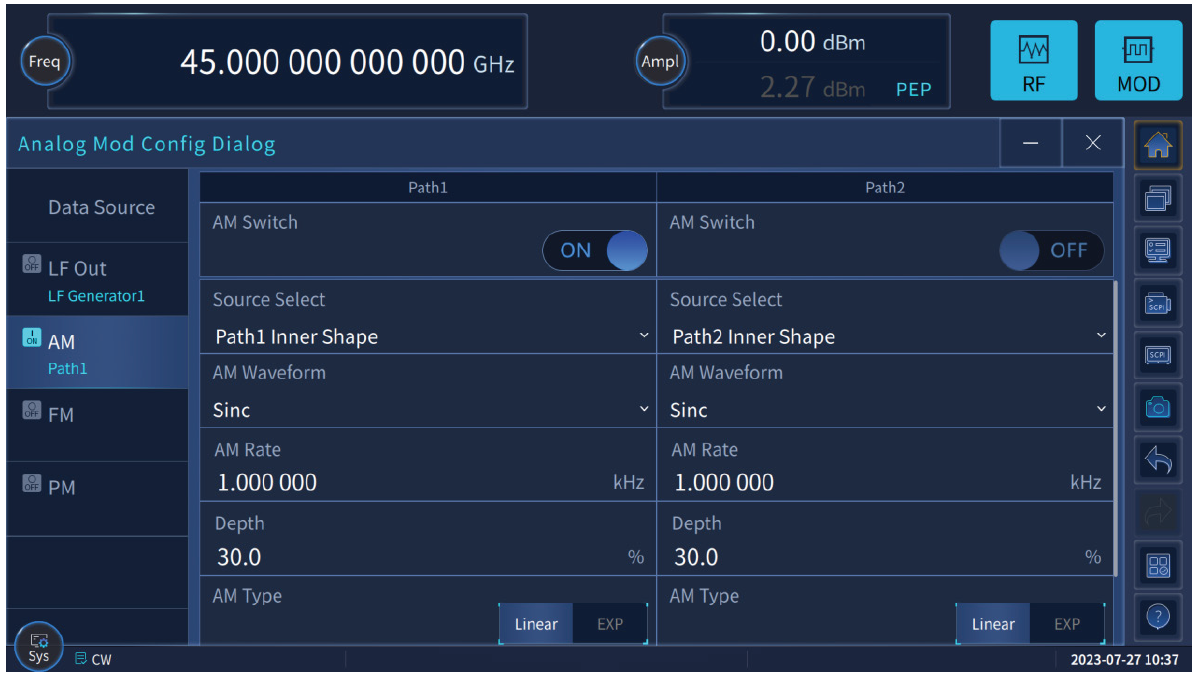
Analog Modulation
-
AM, FM, PM, pulse modulation
-
Advanced pulse features: double pulse, pulse sequences, PRF jitter/stagger/slide
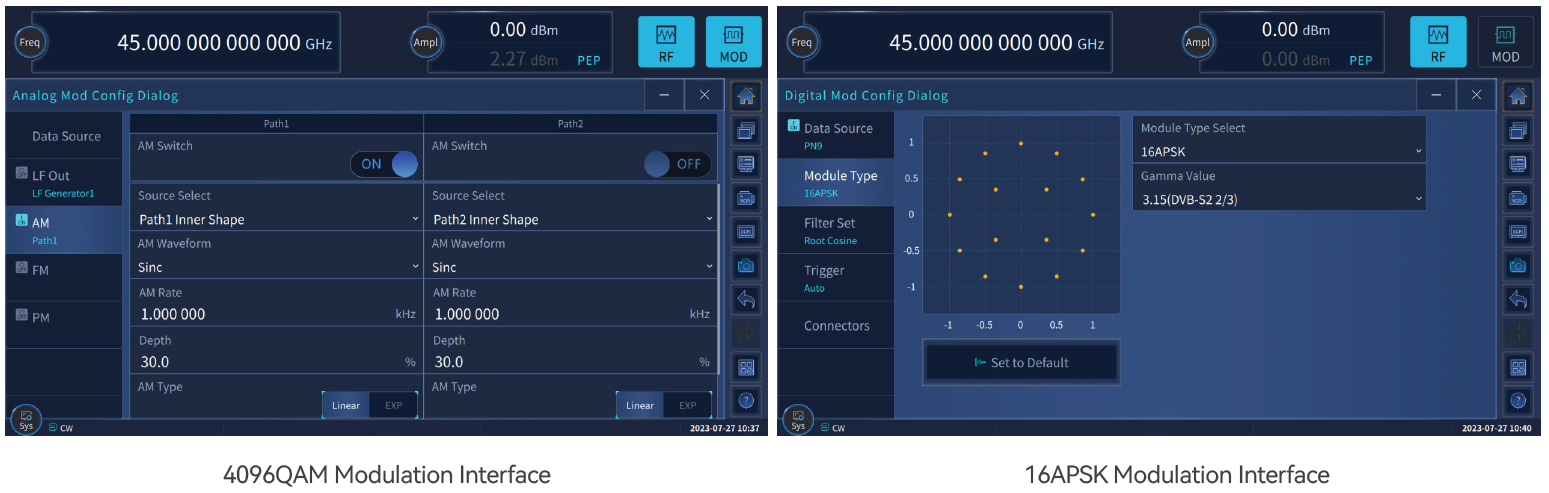
Digital Modulation
-
30+ modulation formats: PSK, FSK, QAM, APSK
-
Multi‑carrier and multi‑tone generation
-
Arbitrary waveform playback with variable sampling frequency
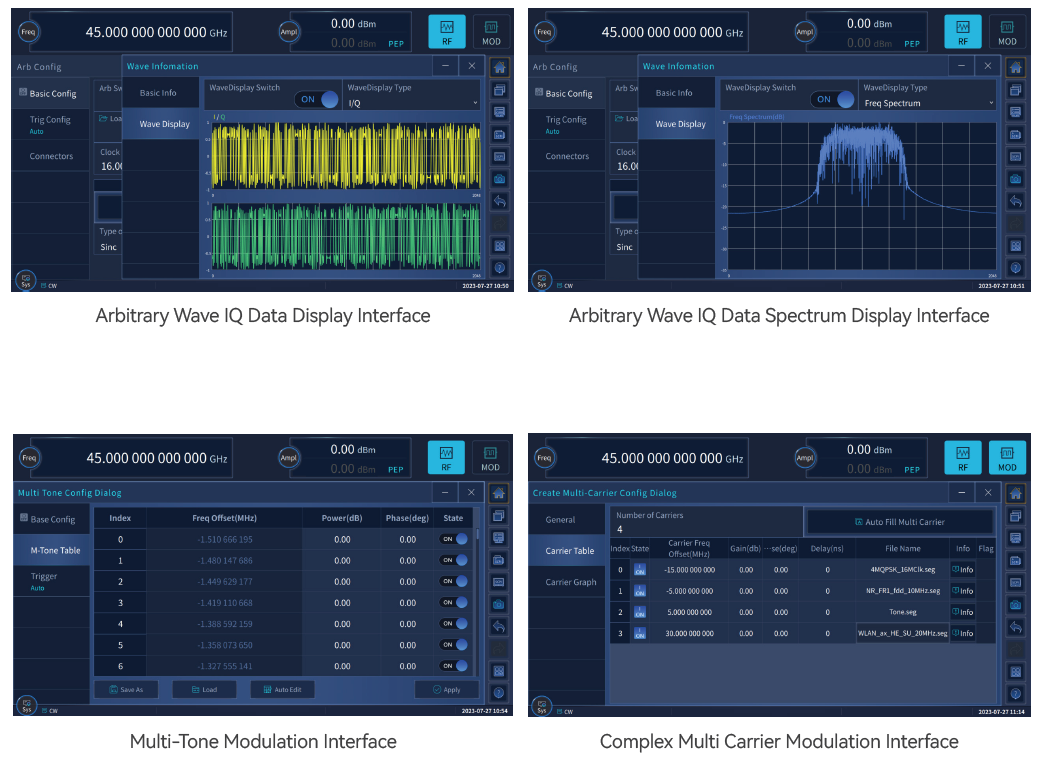
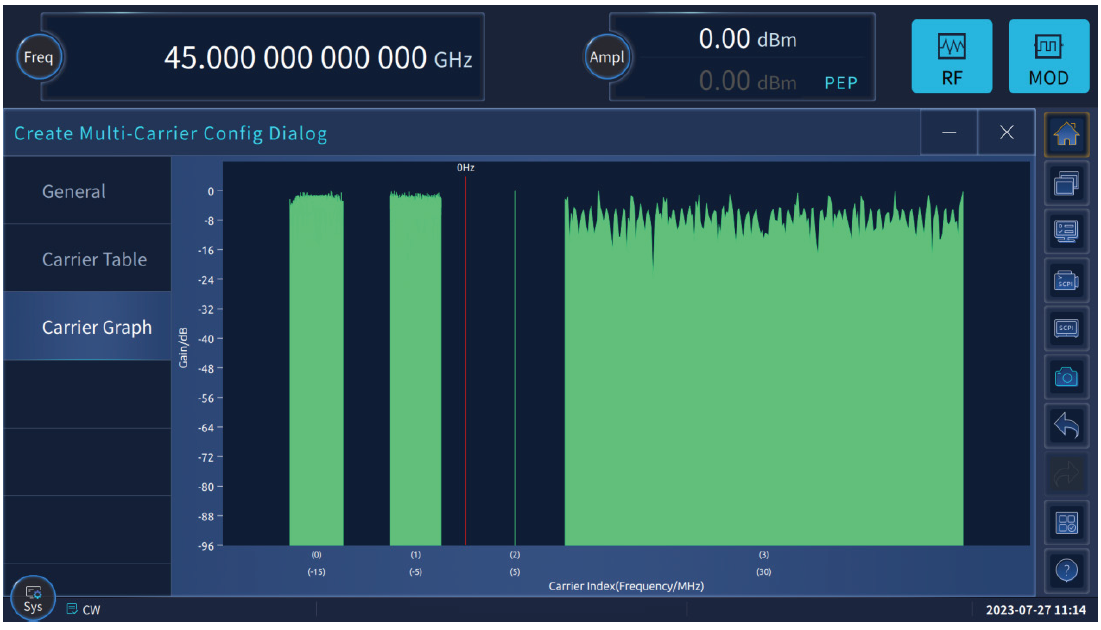
Complex Multi-Carrier Modulation Graphical Attribute Interface
Noise and Interference Simulation
-
Gaussian noise
-
CW interference
-
Wideband noise shaping
Intra‑Pulse Modulation
-
Linear FM
-
Barker codes
-
Phase‑coded waveforms
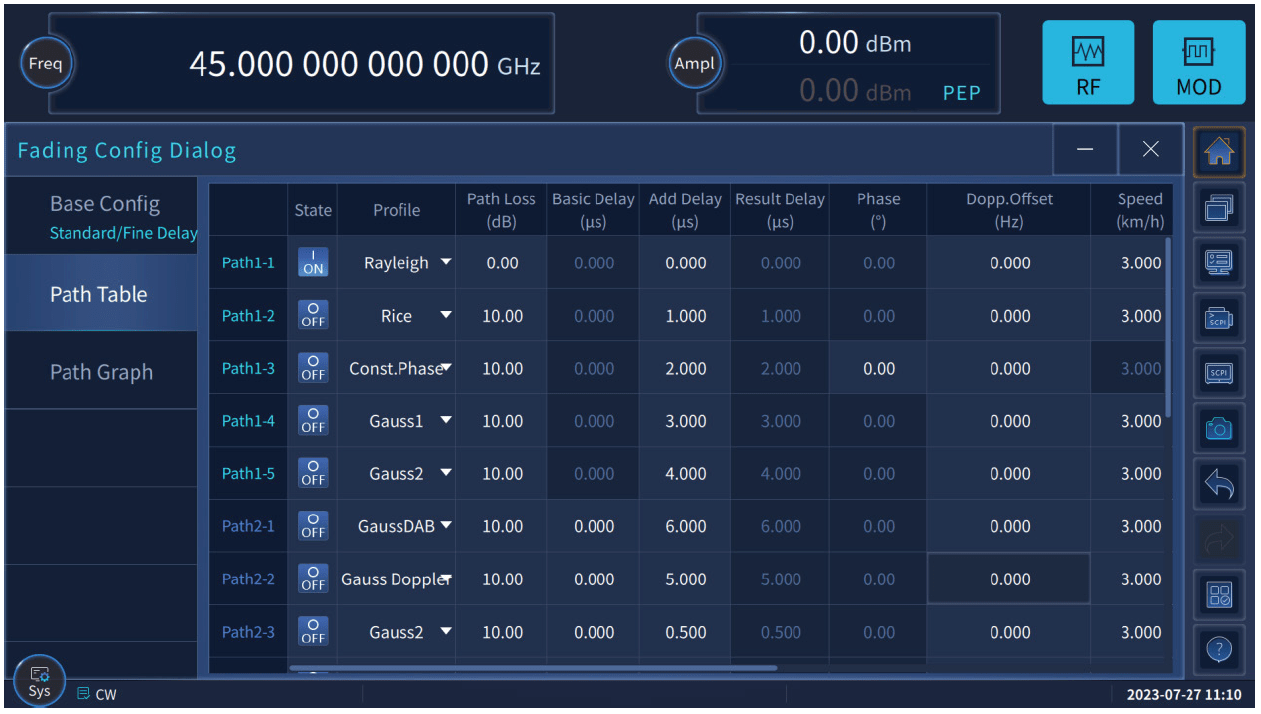
Real‑Time Fading Simulation
-
20 fading types: Rayleigh, Rice, Doppler, Rayleigh+lognormal
-
3GPP‑compliant channel models
Mobile Communication Signal Simulation
The 1466‑V Series includes over 600 TestModel/FRC configurations, supporting:
-
5G NR (one‑click generation)
-
LTE/LTE‑A
-
WCDMA, GSM
-
Custom protocol editing via software
This makes the generator suitable for base‑station development, terminal testing and RF conformance verification.

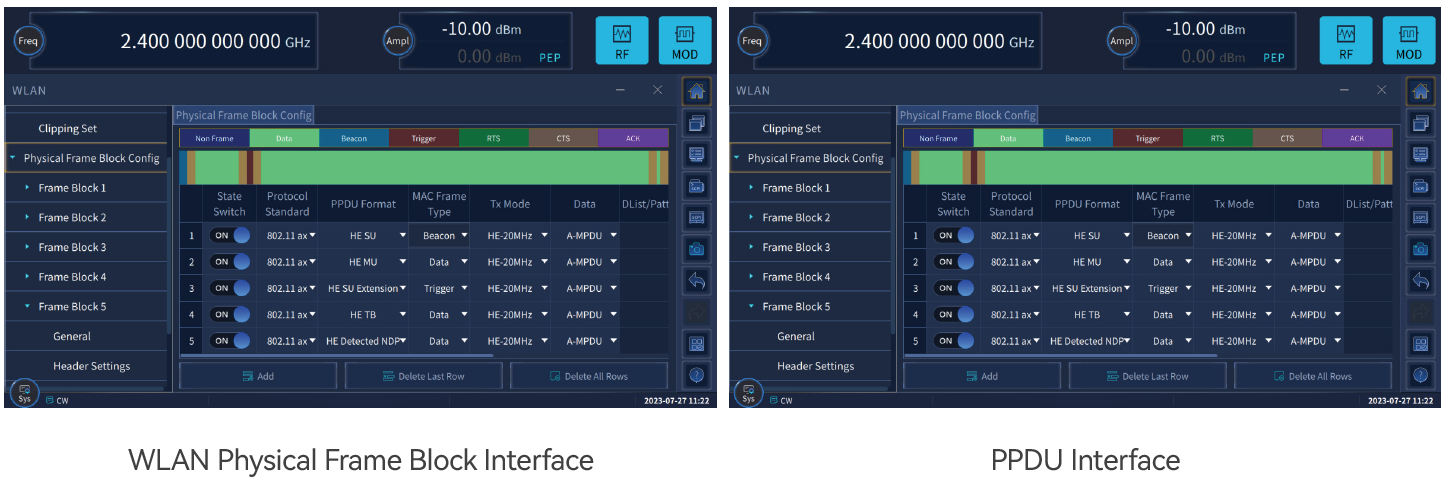
WLAN Signal Generation
Supports generation of:
-
802.11a/b/g/n/ac/ax
-
PPDU, MPDU, A‑MPDU
-
Multi‑frame physical layer structures
Ideal for Wi‑Fi chipset development and production testing.
Modern, User‑Friendly Interface
-
11.6‑inch high‑resolution touchscreen
-
Graphical signal‑flow guidance
-
Customizable user menus
-
Browser‑based remote control
-
Multi‑client synchronized access
-
SCPI command recording with one‑click export
-
Automatic generation of control program templates (C++, C#, Qt, Matlab, LabView)

Conclusion
The Ceyear 1466‑V Series combines wide frequency coverage, exceptional spectral purity, advanced modulation capabilities and flexible multi‑scenario signal simulation. It is a powerful solution for engineers working in wireless communication, radar, satellite systems, navigation, component testing and next‑generation RF research.
SEA Ceyear Europe provides full support for selecting, configuring and integrating these instruments into laboratory, production or field environments across the EU.
Contact SEA Ceyear Europe
For questions about device selection, pricing or technical support, please contact our European office:
SEA Components GmbH Email: tm@sea-ceyear.com