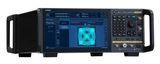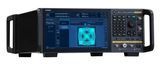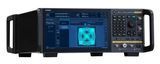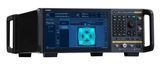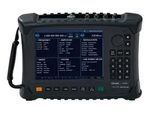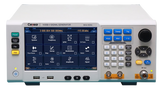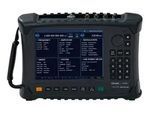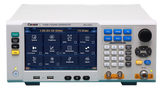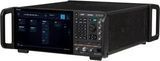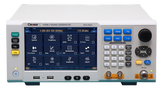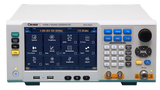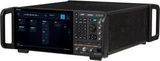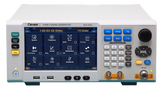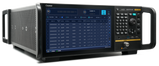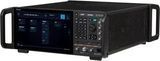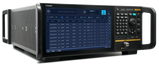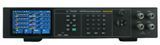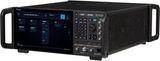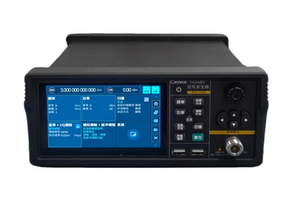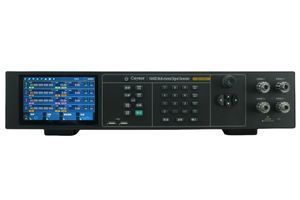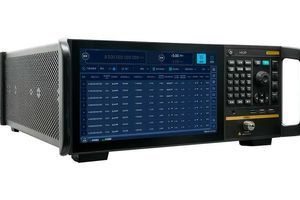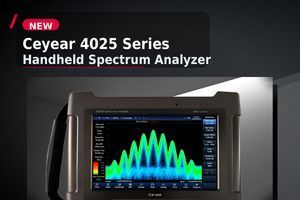


Die Ceyear 1466-V Serie repräsentiert eine neue Generation leistungsstarker Vektorsignalgeneratoren für anspruchsvolle RF-, Mikrowellen- und mmWave-Testumgebungen.
Mit einem breiten Frequenzbereich bis 67 GHz, hervorragender spektraler Reinheit, fortschrittlichen Modulationsfunktionen und vielseitigen Möglichkeiten zur Signalsimulation ist die 1466-V Serie für Forschung und Entwicklung, Validierung sowie Produktionstests moderner drahtloser Kommunikations-, Radar-, Satelliten- und Navigationssysteme ausgelegt.
SEA Ceyear Europe – die spezialisierte europäische Vertriebs- und Supportplattform, betrieben von SEA Components GmbH (Deutschland) – bietet Kunden in der EU umfassende technische Beratung, Unterstützung bei der Konfiguration sowie projektbezogene Integrationslösungen.
Wichtige RF-Leistungsmerkmale
- Frequenzbereich: 6 kHz bis 13 GHz / 20 GHz / 33 GHz / 45 GHz / 53 GHz / 67 GHz
- Spektrale Reinheit:
- SSB-Phasenrauschen: < –132 dBc/Hz (typ., 10-GHz-Träger, 10-kHz-Offset)
- Breitbandrauschen: < –161 dBc/Hz (typ., 20-GHz-Träger, 30-MHz-Offset)
- Störsignale (Spurious): < –80 dBc (10-GHz-Träger)
- Ausgangsleistungsbereich: –150 dBm bis +25 dBm
- RF-Modulationsbandbreite: bis zu 2 GHz
(Optionen: 500 MHz / 1 GHz / 2 GHz) - Genauigkeit der Vektormodulation:
EVM < 0,8 % (5G NR FR2, 28 GHz)
Diese Eigenschaften machen die 1466-V Serie zu einer geeigneten Lösung für die hochpräzise Charakterisierung von Komponenten, Systemvalidierung und anspruchsvolle Tests moderner drahtloser Kommunikationssysteme.

Hervorragende RF-Leistung

Hohe spektrale Reinheit für anspruchsvolle Anwendungen
Die 1466-V Serie liefert außergewöhnlich saubere Ausgangssignale und minimiert dadurch Messunsicherheiten bei Hochfrequenzsystemen:
- –145 dBc/Hz bei 10 kHz Offset (1-GHz-Träger)
- –132 dBc/Hz bei 10 kHz Offset (10-GHz-Träger)
- Harmonische: < –55 dBc
- Störsignale (Spurious): < –80 dBc
Diese hohe Signalreinheit gewährleistet zuverlässige Tests von LNAs, Mischern, Frequenzumsetzern, Filtern, Phased-Array-Modulen und weiteren empfindlichen RF-Komponenten.
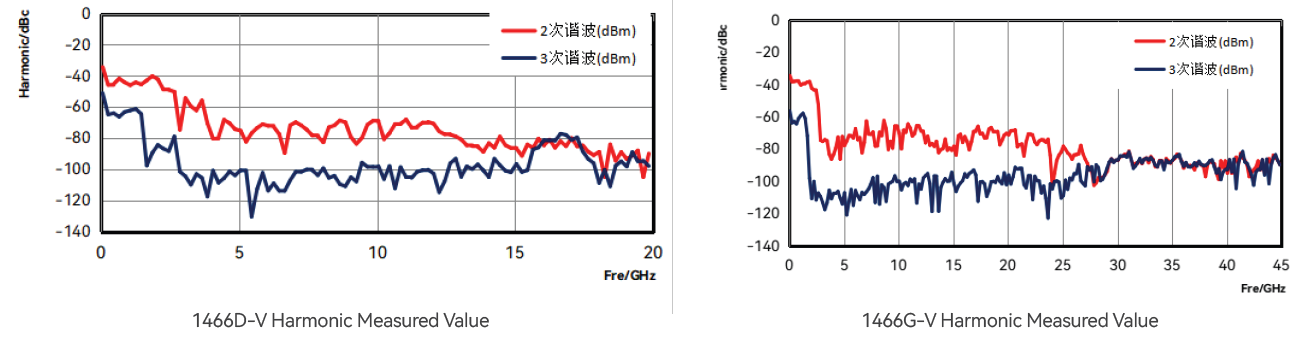
Option H04-2: SSB Phase noise measured value
Großer Dynamikbereich und hohe Ausgangsgenauigkeit
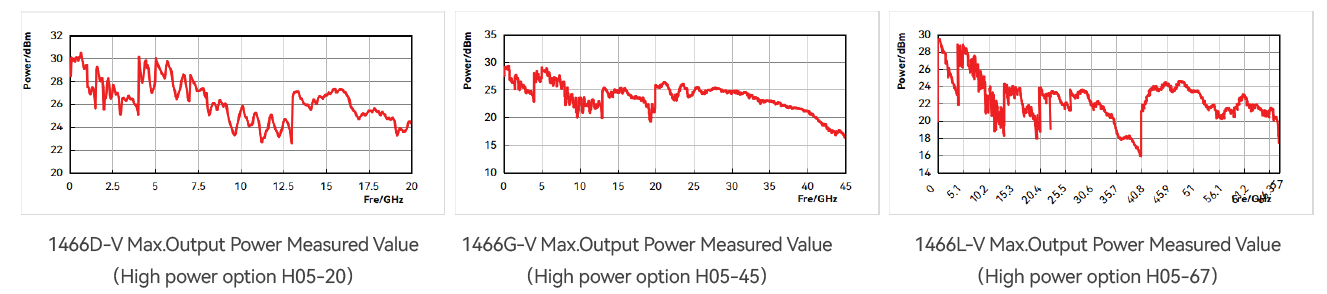
- Maximale Ausgangsleistung (typ.):
- +27 dBm bei 5 GHz
- +24 dBm bei 20 GHz
- +25 dBm bei 30 GHz
- +22 dBm bei 60 GHz
- Minimal einstellbarer Pegel: –150 dBm
- Dynamikbereich: bis zu 170 dB
- Leistungsgenauigkeit: < 0,5 dB unterhalb von 20 GHz (typ.)
Diese Kombination ermöglicht sowohl Anregungssignale mit hoher Leistung als auch Messungen mit extrem niedrigen Signalpegeln und hoher Empfindlichkeit.
2 GHz Modulationsbandbreite für 5G/6G und Ultra-Breitbandsysteme
Die 1466-V Serie unterstützt Modulationsbandbreiten von 500 MHz, 1 GHz und 2 GHz. Bei Verwendung externer I/Q-Quellen sind bis zu 5 GHz möglich.
Dies ermöglicht unter anderem:
- Tests von 5G NR FR1/FR2
- Forschung an 6G-Wellenformen in frühen Entwicklungsphasen
- Anwendungen für Ultra-Breitband-Radar und Sensortechnik
- Mehrton- und breitbandige Rauschanregung
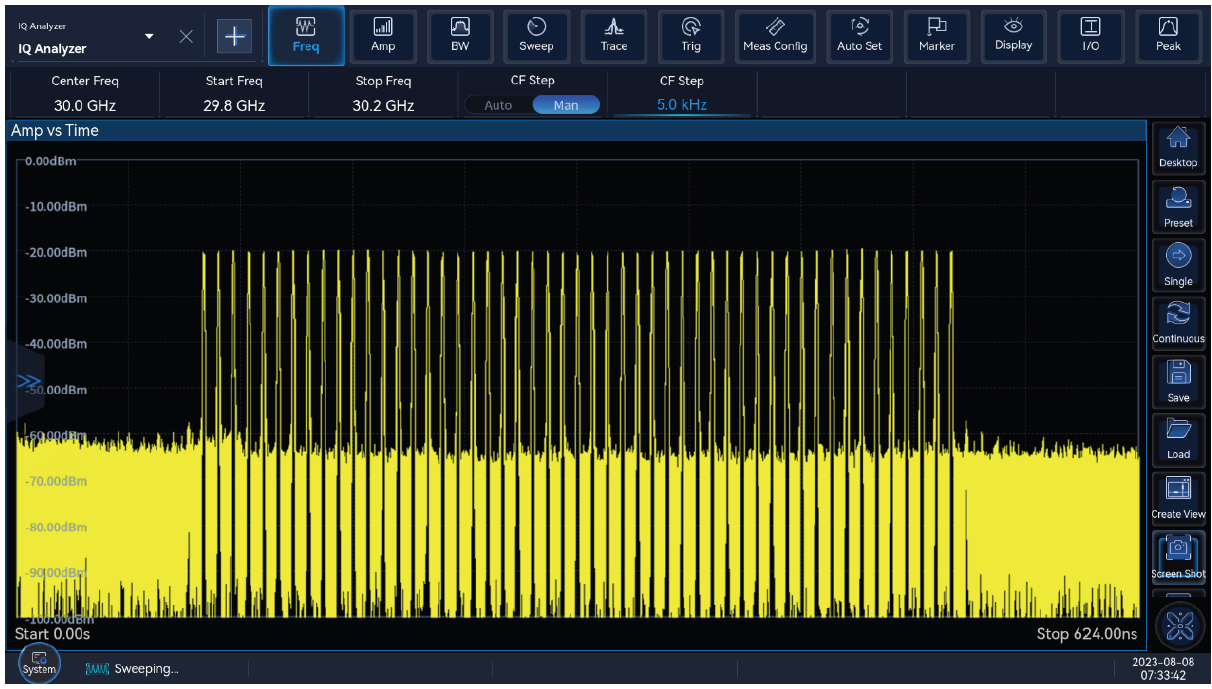 30GHz Carrier 2GHz Modulation Bandwidth Multi-Tone Signal Spectrum
Hervorragende Genauigkeit der Vektormodulation
- EVM: 0,4 % (QPSK, 2-GHz-Träger)
- 5G NR ACPR:
- < –55 dBc bei 2-GHz-Träger
- < –45 dBc bei 42,5-GHz-Träger
Diese Spezifikationen ermöglichen sowohl Leistungsbewertungen auf F&E-Niveau als auch leistungsfähige Produktionstests mit hohem Durchsatz.
Mehrkanal- und MIMO-fähige Architektur
Die 1466-V Serie unterstützt eine kaskadierte Synchronisation für phasenkohärente Anregung mit mehreren Signalquellen und ermöglicht dadurch:
- MIMO-Tests
- Validierung von Beamforming-Verfahren
- Kalibrierung von Phased-Array-Systemen
- Mehrträger- und Mehrband-Szenarien

1466-V Series Signal Generator Multi-Machine Cascade
Vielfältige integrierte Funktionen
Umfassende Modulations- und Signalerzeugungsfunktionen
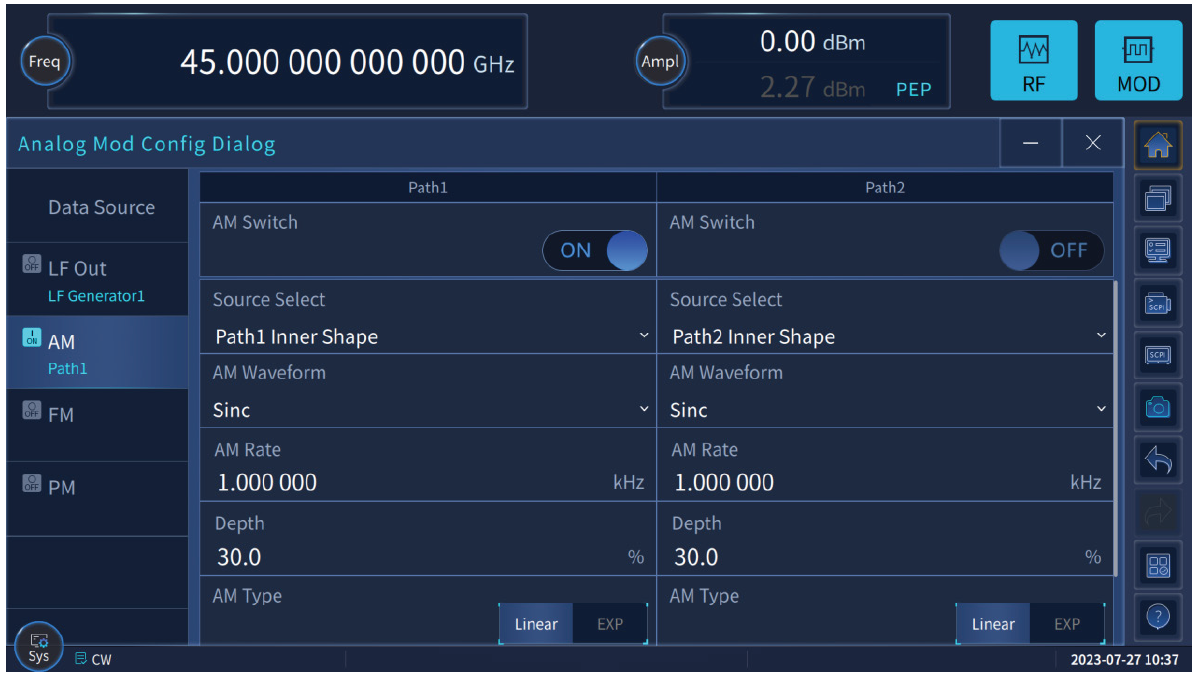
Analoge Modulation
- AM, FM, PM und Pulsmodulation
- Erweiterte Pulsfunktionen:
- Doppelimpuls
- Pulssequenzen
- PRF-Jitter
- PRF-Stagger
- PRF-Slide
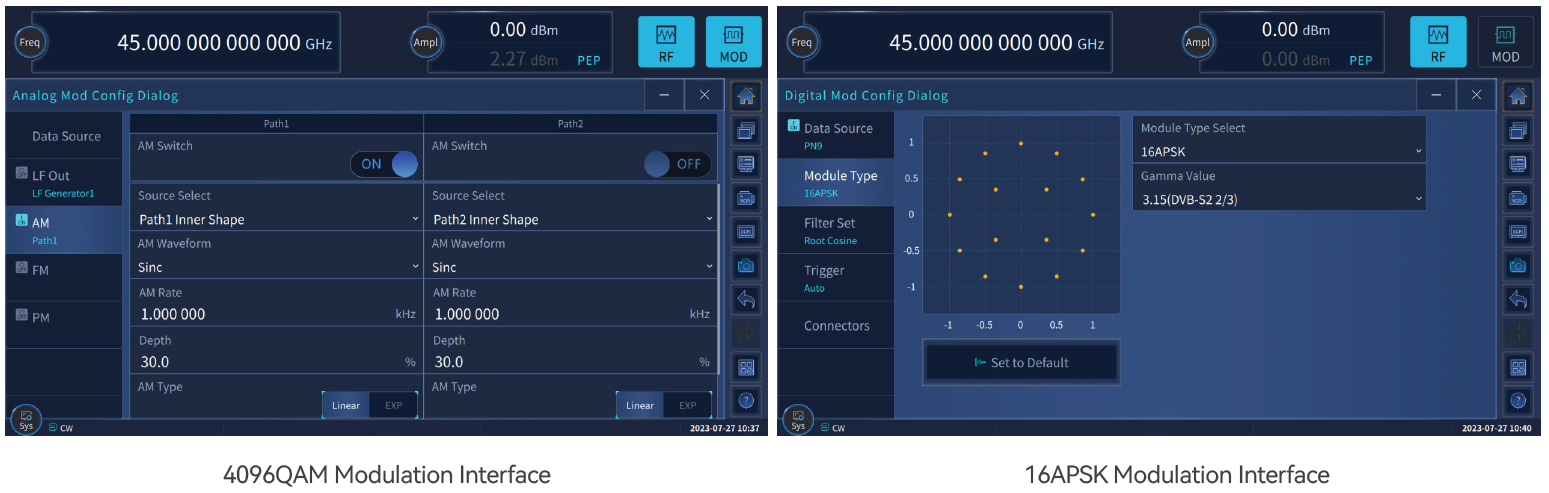
Digitale Modulation
- Über 30 Modulationsformate: PSK, FSK, QAM, APSK
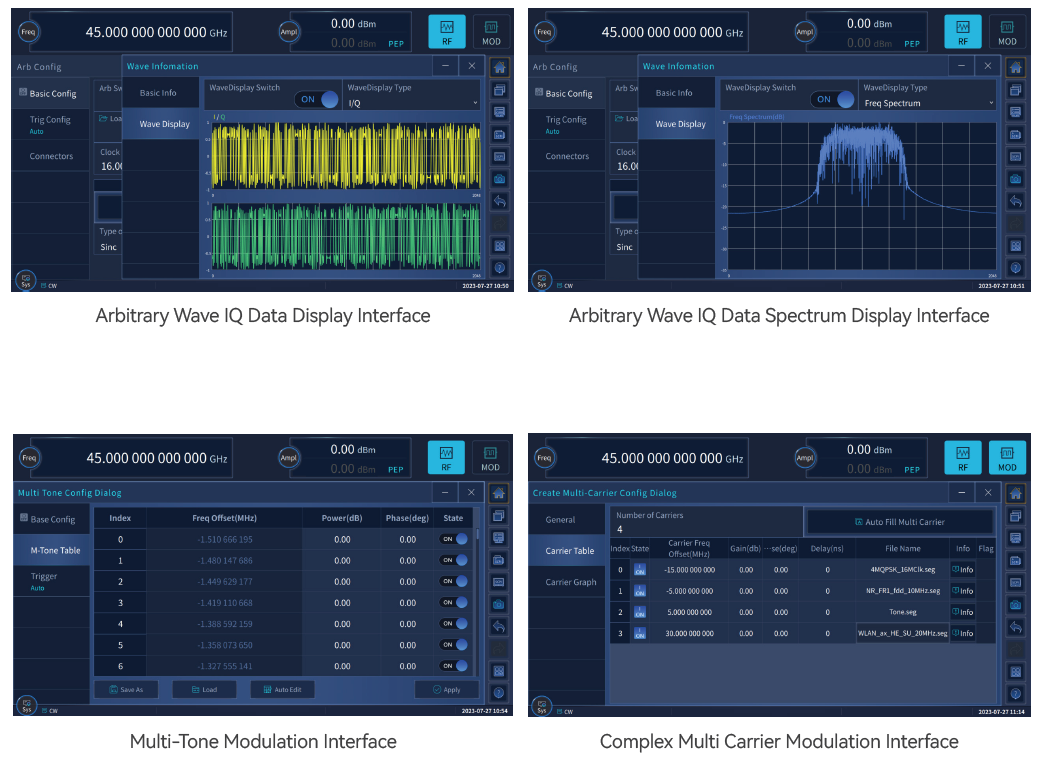
- Erzeugung von Mehrträger- und Mehrtonsignalen
- Wiedergabe beliebiger Wellenformen (Arbitrary Waveform Playback) mit variabler Abtastrate
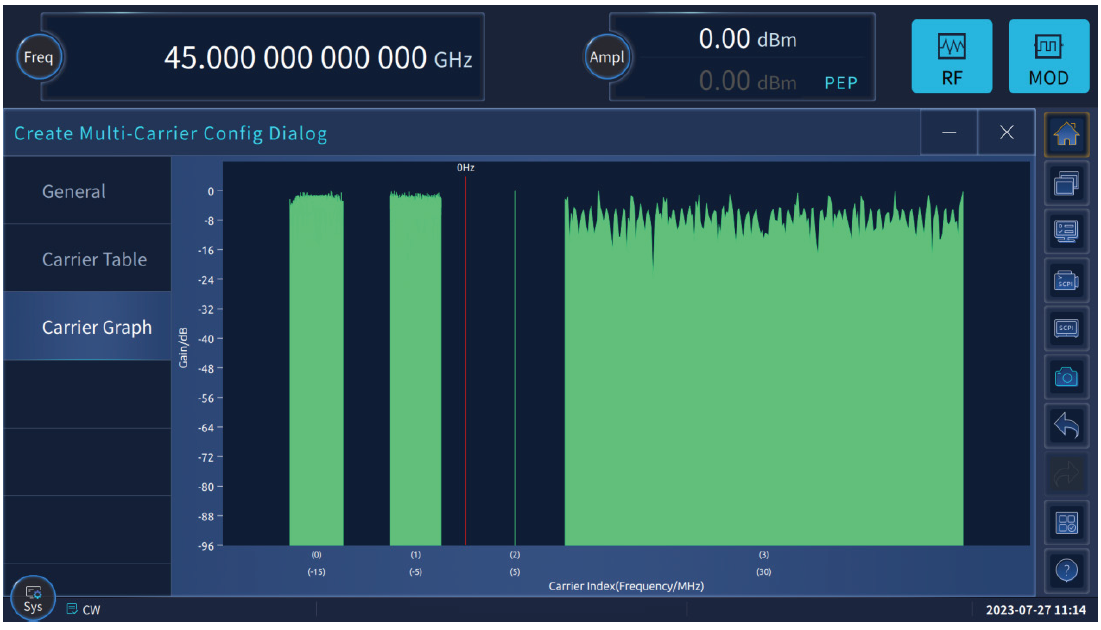
Complex Multi-Carrier Modulation Graphical Attribute Interface
Rausch- und Störsignalsimulation
- Gaußsches Rauschen
- CW-Störsignale
- Breitbandige Rauschformung
Intra-Puls-Modulation
- Lineare FM
- Barker-Codes
- Phasencodierte Wellenformen
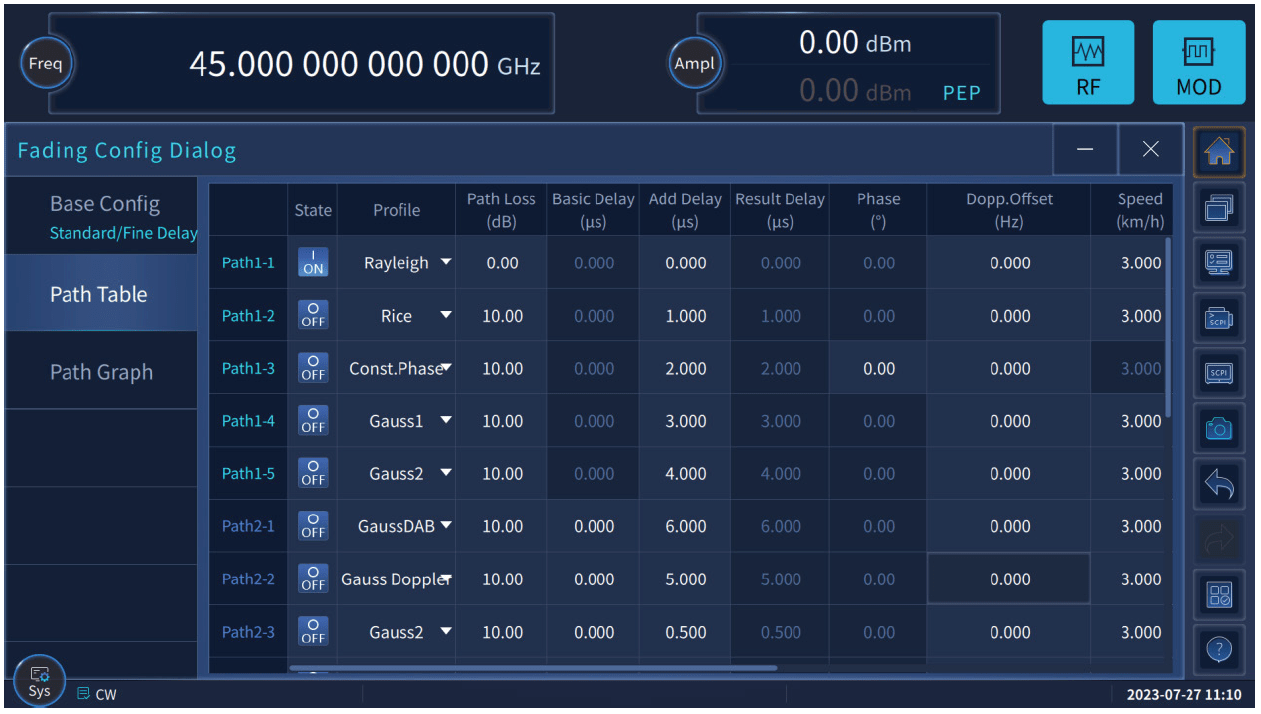
Echtzeit-Fading-Simulation
- 20 Fading-Modelle: Rayleigh, Rice, Doppler, Rayleigh+Lognormal
- 3GPP-konforme Kanalmodelle
Signalsimulation für mobile Kommunikation
Die 1466-V Serie umfasst mehr als 600 TestModel-/FRC-Konfigurationen und unterstützt:
- 5G NR (Generierung mit einem Klick)
- LTE/LTE-A
- WCDMA, GSM
- kundenspezifische Protokollbearbeitung über Software
Damit eignet sich der Generator für die Entwicklung von Basisstationen, Endgerätetests sowie die RF-Konformitätsprüfung.

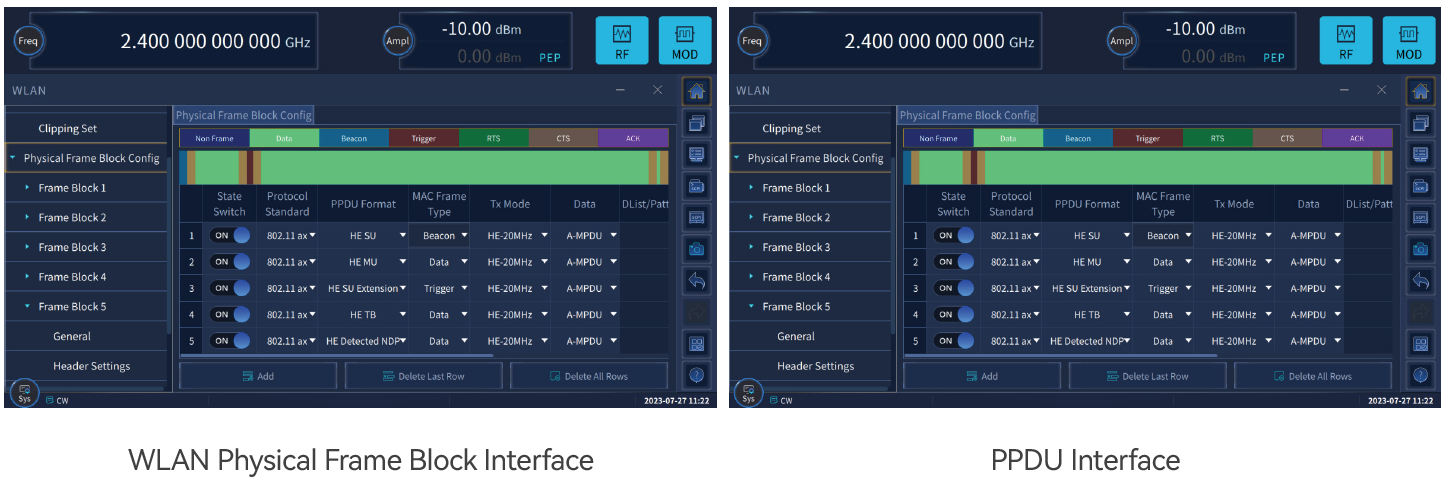
WLAN-Signalerzeugung
Unterstützt die Erzeugung von:
- 802.11a/b/g/n/ac/ax
- PPDU, MPDU, A-MPDU
- Mehrrahmen-Strukturen der physikalischen Schicht
Ideal für die Entwicklung von Wi-Fi-Chipsätzen und Produktionstests.
Moderne, benutzerfreundliche Bedienoberfläche
- 11,6-Zoll hochauflösender Touchscreen
- Grafische Signalflussführung
- Anpassbare Benutzermenüs
- Browserbasierte Fernsteuerung
- Synchronisierter Zugriff durch mehrere Clients
- SCPI-Befehlsaufzeichnung mit Export per Knopfdruck
- Automatische Erstellung von Steuerungsprogrammvorlagen (C++, C#, Qt, Matlab, LabView)

Fazit
Die Ceyear 1466-V Serie kombiniert einen breiten Frequenzbereich, außergewöhnliche spektrale Reinheit, fortschrittliche Modulationsfunktionen und flexible Möglichkeiten zur Signalsimulation für unterschiedlichste Anwendungsszenarien.
Sie ist eine leistungsstarke Lösung für Ingenieure in den Bereichen drahtlose Kommunikation, Radar, Satellitensysteme, Navigation, Komponentenprüfung und Forschung an zukünftigen RF-Technologien.
SEA Ceyear Europe unterstützt Kunden bei der Auswahl, Konfiguration und Integration dieser Geräte in Labor-, Produktions- und Feldumgebungen in der gesamten EU.
Kontakt SEA Ceyear Europe
Für Fragen zur Geräteauswahl, Preisen oder technischer Unterstützung kontaktieren Sie bitte unser europäisches Büro:
SEA Components GmbH
E-Mail: tm@sea-ceyear.com