
|
Quantity
|
Total
|
||
|
|
|||
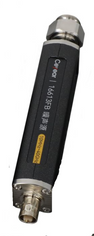
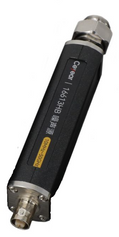
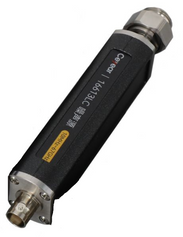
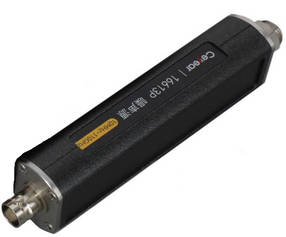
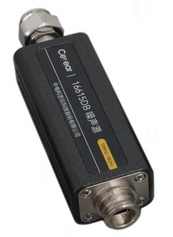
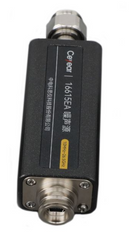
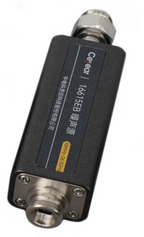
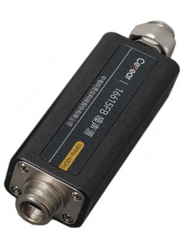
Ceyear Noise Sources – Precision RF Noise Sources for Noise Figure Measurement, Receiver Characterization and Calibration
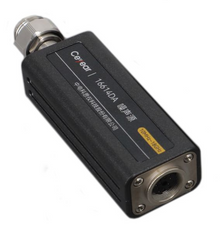
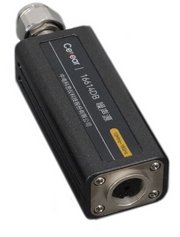
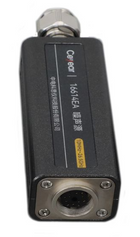
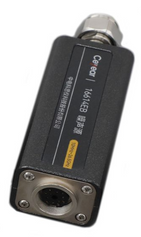
Accurate noise figure (NF) measurement is essential for the design, production, and verification of modern RF, microwave, and millimeter-wave systems. Low-noise amplifiers (LNAs), receivers, satellite communication equipment, radar front-ends, electronic warfare systems, and wireless communication devices all require precise characterization of their noise performance. The Ceyear Noise Source portfolio provides highly stable, calibrated broadband noise sources specifically designed for professional noise figure measurements and RF system calibration.
With more than 30 years of experience in noise figure measurement technology, Ceyear has developed a new generation of intelligent noise sources that combine excellent output stability, wide frequency coverage, low VSWR, and digital control interfaces, making them ideal for both laboratory and automated production environments.
Complete Portfolio of RF and Microwave Noise Sources
The Ceyear noise source family is designed to support virtually every modern noise figure measurement application. The portfolio includes:
- Standard broadband noise sources
- Intelligent programmable noise sources
- USB-controlled noise sources
- I²C-controlled noise sources
- BNC-controlled noise sources
- Millimeter-wave noise sources
- Calibration noise sources
- Production test noise sources
- Laboratory reference noise sources
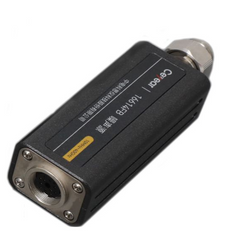
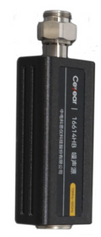
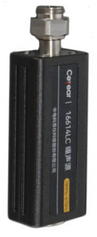
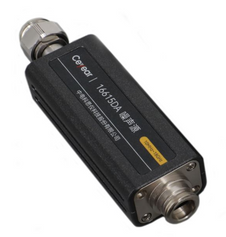
The latest product family includes:
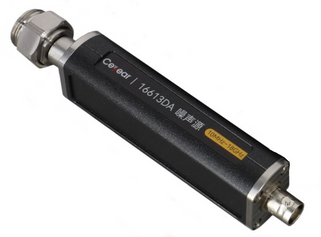
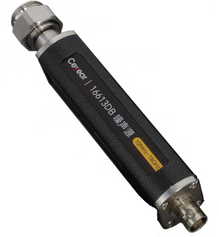
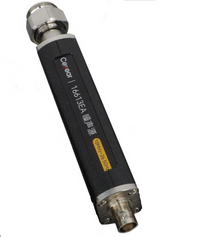
- 16613 Series Standard Noise Sources
- 16614 Series Intelligent Noise Sources
- 16615 Series Intelligent High-Performance Noise Sources
Wide Frequency Coverage up to 110 GHz
One of the major advantages of the Ceyear noise source portfolio is its exceptionally wide operating frequency range.
Depending on the model, Ceyear noise sources cover frequencies from:
- 10 MHz up to 110 GHz
This broad frequency coverage enables accurate noise figure measurements for:
- RF communication systems
- Microwave receivers
- Satellite communications
- Millimeter-wave equipment
- Radar receivers
- Electronic warfare systems
- Aerospace electronics
- Scientific research applications
Designed for Accurate Noise Figure Measurements
Noise sources are the reference signal generators used during Noise Figure (NF) and Gain measurements.
Ceyear noise sources are optimized for use with:
- Noise Figure Analyzers
- Signal and Spectrum Analyzers
- Vector Signal Analyzers
- Receiver Test Systems
- Automated Test Equipment (ATE)
- Custom RF measurement systems
Typical measurements include:
- Noise Figure (NF)
- Gain
- Gain Compression
- Receiver Sensitivity
- System Noise Temperature
- Cascaded Noise Figure
- LNA Performance Evaluation
- Receiver Front-End Characterization
Excellent Output Stability and Spectral Flatness
Reliable noise figure measurements depend on a highly stable and predictable noise source.
Ceyear noise sources provide:
- Stable Excess Noise Ratio (ENR)
- Excellent output repeatability
- Uniform power spectral density
- Low output VSWR
- Outstanding long-term stability
- High calibration accuracy
These characteristics help minimize measurement uncertainty while improving repeatability in both laboratory and production environments.
Intelligent Noise Sources for Automated Test Systems
The 16614 and 16615 Series introduce intelligent digital control functions that simplify integration into automated RF test systems.
Available control interfaces include:
- USB
- I²C
- BNC Trigger Control
These intelligent interfaces enable:
- Automated production testing
- Remote instrument control
- ATE integration
- Manufacturing quality control
- Calibration system automation
- High-volume RF testing
Compact Design for Laboratory and Production Applications
Ceyear noise sources feature a compact and lightweight design suitable for:
- Research laboratories
- Production lines
- Calibration laboratories
- University laboratories
- Portable measurement systems
- OEM integration
Their small size makes them easy to integrate into complex RF measurement benches without compromising measurement performance.
Applications of Ceyear Noise Sources
Wireless Communications
Ceyear noise sources are widely used for testing:
- 4G LTE
- 5G NR
- Wi-Fi
- Bluetooth
- IoT devices
- Base stations
- Small cells
- RF front-end modules
Radar and Aerospace
Modern radar systems require extremely low-noise receiver architectures.
Ceyear noise sources are ideal for:
- Radar receiver testing
- LNA characterization
- AESA radar development
- Satellite payload testing
- Aerospace receiver verification
- Navigation systems
- RF subsystem development
Electronic Warfare and Defense
Electronic warfare systems require precise characterization of low-noise RF receivers.
Applications include:
- SIGINT receivers
- EW receivers
- Communications intelligence systems
- Spectrum monitoring equipment
- Military communications
- Tactical RF systems
- Surveillance receivers
Semiconductor and RF Component Testing
Ceyear noise sources are extensively used during development and production of:
- Low Noise Amplifiers (LNAs)
- RF amplifiers
- Mixers
- Frequency converters
- RF modules
- MMIC devices
- Receiver front ends
- Microwave integrated circuits
Calibration Laboratories
Noise sources are indispensable in calibration and metrology laboratories for:
- Noise figure calibration
- Receiver verification
- RF system calibration
- Instrument performance validation
- Reference measurements
- Production acceptance testing
Excellent Compatibility with Modern RF Test Equipment
Ceyear noise sources are designed for compatibility with both Ceyear instruments and many third-party RF measurement platforms.
They can be integrated into measurement systems based on:
- Noise Figure Analyzers
- Signal and Spectrum Analyzers
- Vector Signal Analyzers
- RF Receivers
- Custom automated measurement software
- Laboratory automation platforms
This flexibility allows customers to upgrade existing measurement systems without replacing their complete RF test infrastructure.
Why Choose Ceyear Noise Sources?
Ceyear noise sources provide:
- Frequency coverage up to 110 GHz
- Stable calibrated ENR
- Excellent spectral flatness
- Low output VSWR
- High measurement repeatability
- Intelligent USB, I²C and BNC control
- Compact laboratory design
- Production test compatibility
- Excellent long-term stability
- Professional metrology performance
Conclusion
For engineers working in RF communications, radar systems, aerospace, satellite communications, electronic warfare, semiconductor development, calibration laboratories, and scientific research, Ceyear Noise Sources provide a highly accurate, reliable, and modern solution for professional noise figure measurement and receiver characterization. Their combination of wide frequency coverage, intelligent control interfaces, stable ENR performance, and excellent long-term measurement stability makes them suitable for both laboratory and automated production environments.
Compared with premium manufacturers such as Rohde & Schwarz, Keysight Technologies, and Anritsu, Ceyear noise sources deliver an exceptional combination of measurement accuracy, broadband performance, intelligent automation features, and affordability. For organizations seeking professional RF noise figure measurement solutions, Ceyear offers one of the best price-to-performance-to-feature ratios available on the global RF test equipment market, making it an excellent choice for research laboratories, manufacturing facilities, and defense applications.